top of page

Al Hourani Restaurant 

Official orange round logo for Al Hourani Kitchen with Arabic text and stone house illustration

Al Hourani Restaurant 

Al Hourani Kitchen Official Logo

In Hauran, we touch the souls of our ancestors in every detail. Every dish we offer is a tribute to this blessed land and the people who have kept our heritage alive through the ages with their kindness.

في حوران، نلمس أرواح أجدادنا في كل تفصيل، فكل صنف نقدمه هو تحية وفاء لهذه الأرض الطيبة وللناس الذين حافظوا على تراثنا حياً على مر العصور بطيبهم.
 

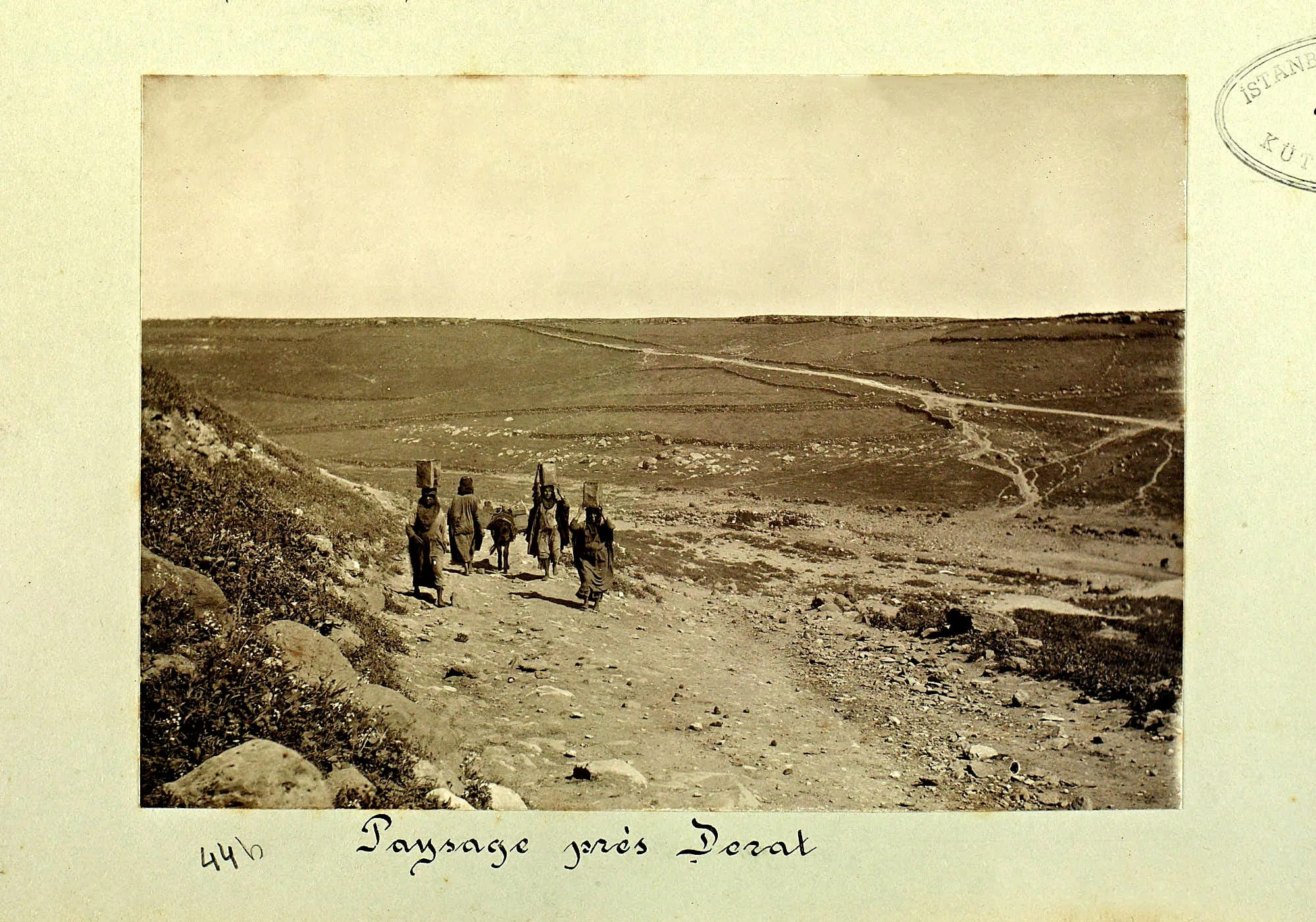
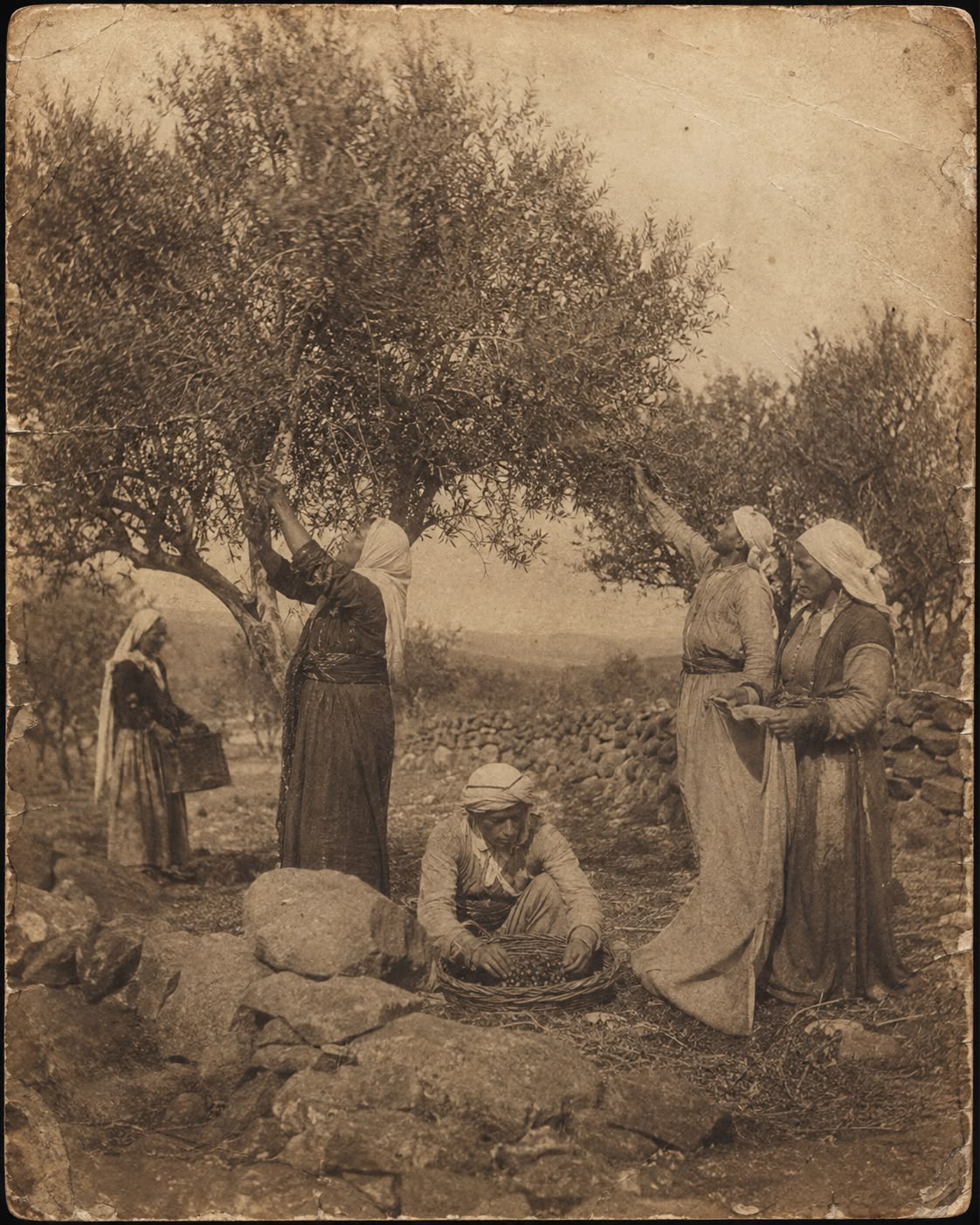
The Hauran countryside extends within the fertile valleys of southern Syria, painting a portrait of eternal beauty and ancient traditions. Our heritage is woven into the stones of our ancestors' homes, where winds whisper through olive groves and the land yields the wisdom of generations, offering you the essence of this land in every dish we proudly create.

يمتد ريف حوران في أحضان الأودية الخصيبة بجنوب سوريا، راسماً لوحة من الجمال السرمدي والتقاليد الضاربة في القدم. إن تراثنا منسوج في حجارة بيوت أجدادنا، حيث تهمس الرياح بين بساتين الزيتون، وتجود الأرض بحكمة أجيال توارثت فنون الطهي الأصيل، لنقدم لكم جوهر هذه الأرض في كل طبق نصنعه بكل فخر واعتزاز.
 

Old historical map of the Levant region in Arabic

Map of the Vilayet of Syria and Its Sanjaks  circa 1870

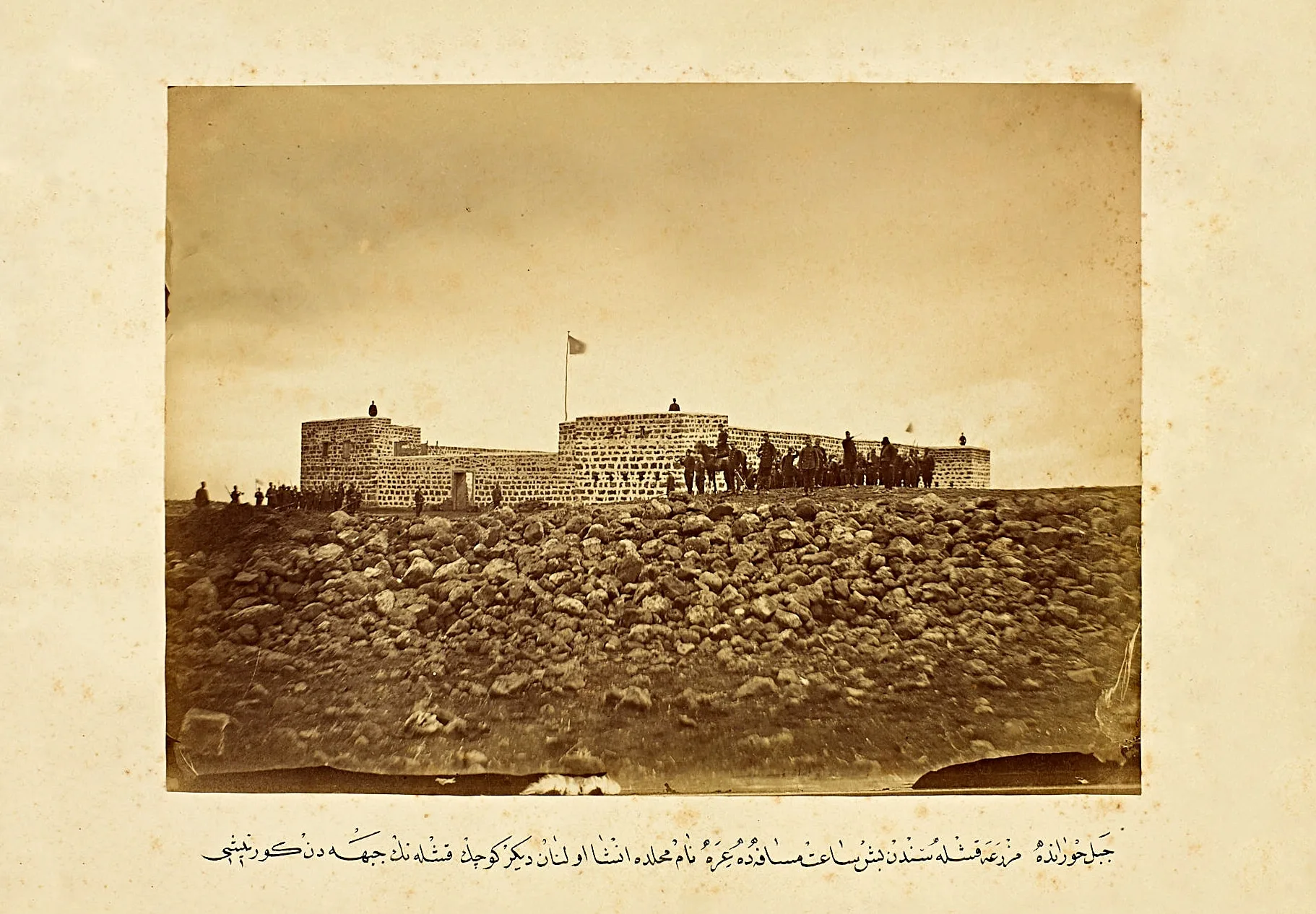
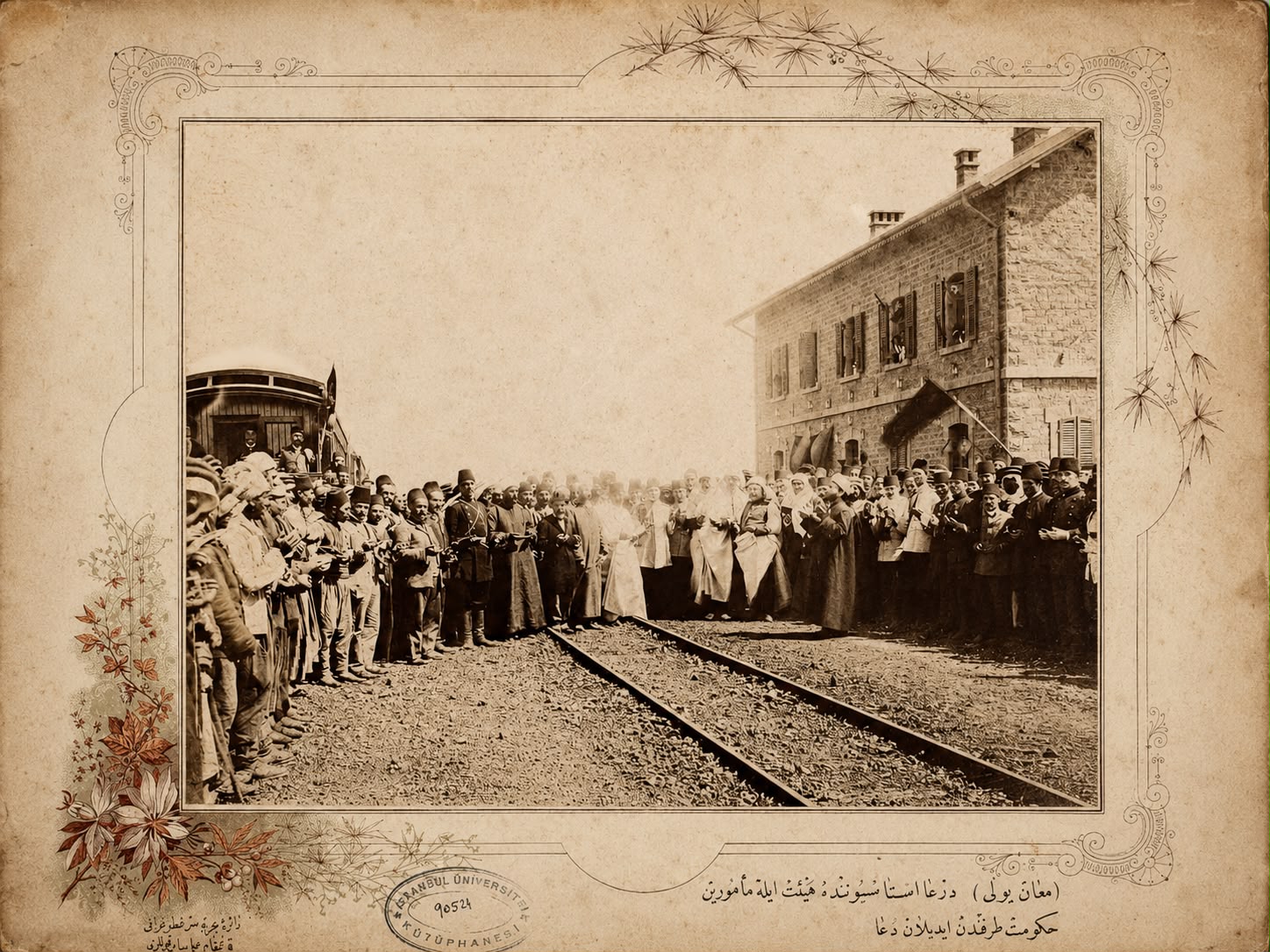
The Story of the Hauran Sanjak

The name Hauran did not begin with the Ottoman Empire. It is the name of an ancient historical region in the southern Levant, known for centuries for its fertile plains, villages, and historic towns.

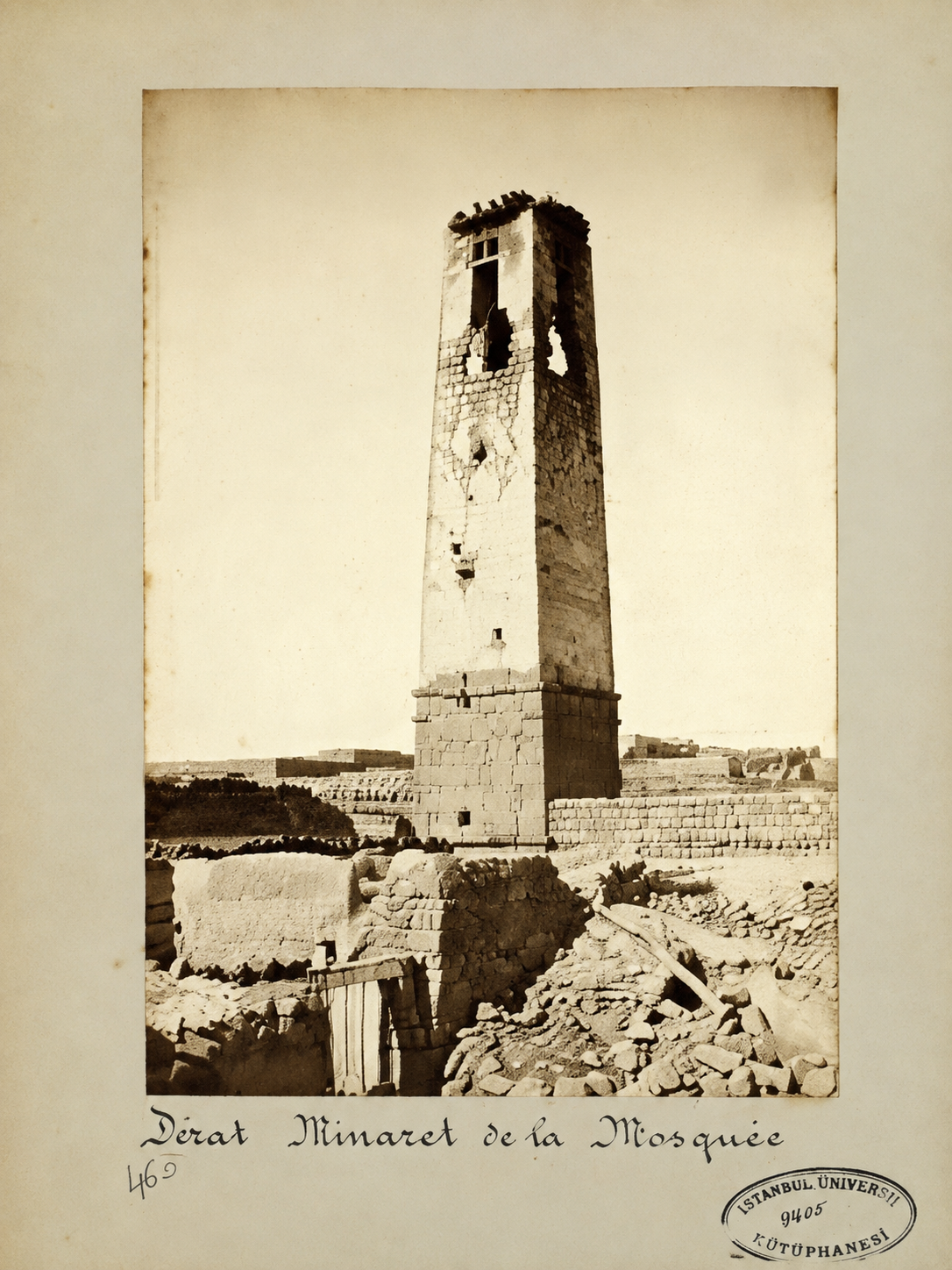
During the nineteenth century, as the Ottoman Empire reorganized its administrative divisions, the Hauran Sanjak emerged as an administrative district within the Vilayet of Syria, whose capital was Damascus. Daraa became an important center of the Sanjak. At that time, Hauran was not limited to the borders of today’s Daraa Governorate; it extended across large parts of southern Syria and into areas of present-day northern Jordan.

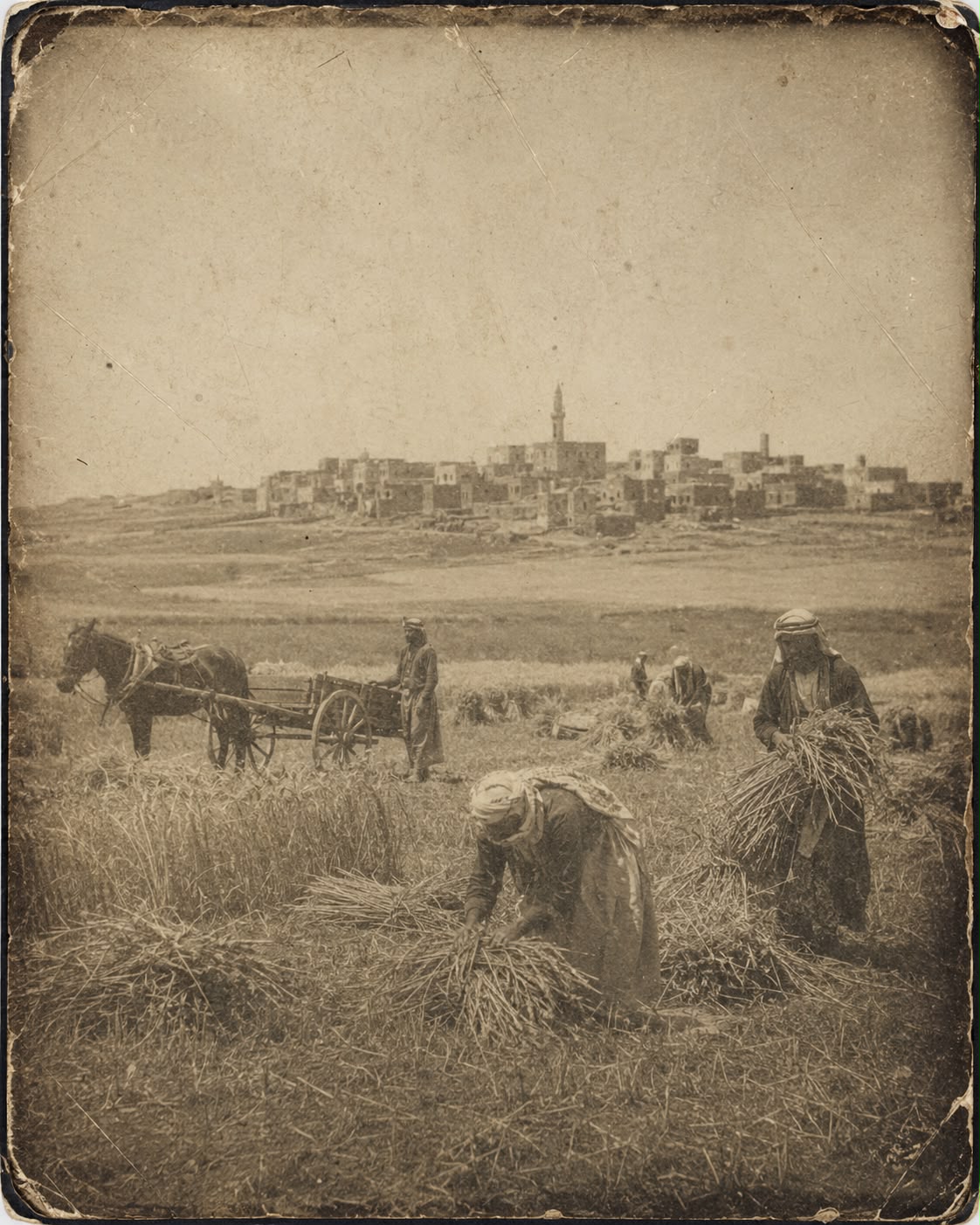
Agriculture was at the heart of life in Hauran, especially the cultivation of wheat and other grains. Trade and caravan routes connected the villages of the plains with Damascus, Bosra, Daraa, and the surrounding areas. Hauran was therefore more than simply an administrative division; it was a region whose people were united by the land, agriculture, markets, traditions, and a shared way of life.

With the end of Ottoman rule in 1918, the Hauran Sanjak officially ceased to exist. Borders changed and the region was divided between new states and administrative areas, yet the name Hauran remained alive in its land, the dialect of its people, their traditions, cuisine, and cultural heritage.

The Sanjak disappeared from the map, but Hauran remained alive in its land and its people.

حكاية سنجق حوران

لم يبدأ اسم حوران مع الدولة العثمانية، بل هو اسم لإقليم تاريخي قديم في جنوب بلاد الشام، عُرف منذ قرون بسهوله الخصبة وقراه ومدنه العريقة

وفي القرن التاسع عشر، ومع إعادة تنظيم الدولة العثمانية، ظهر سنجق حوران كوحدة إدارية ضمن ولاية سورية وعاصمتها دمشق، وأصبحت درعا مركزًا مهمًا للسنجق. ولم تكن حوران حينها محصورة بحدود محافظة درعا الحالية، بل امتدت عبر أجزاء واسعة من جنوب سوريا ومناطق من شمال الأردن الحالي

كانت الزراعة قلب الحياة في حوران، وخصوصًا القمح والحبوب، وربطت طرق التجارة والقوافل قرى السهل بدمشق وبصرى ودرعا وما حولها. وهكذا لم يكن سنجق حوران مجرد تقسيم إداري، بل منطقة جمعت أهلها الأرض والزراعة والأسواق والعادات المشتركة

ومع نهاية الحكم العثماني عام 1918 انتهى سنجق حوران رسميًا، وتغيّرت الحدود وتقسّمت المنطقة بين دول ومحافظات جديدة، لكن اسم حوران بقي حيًا في أرضها ولهجة أهلها وعاداتهم وطعامهم وتراثهمانتهى السنجق على الورق، لكن حوران بقيت في الأرض

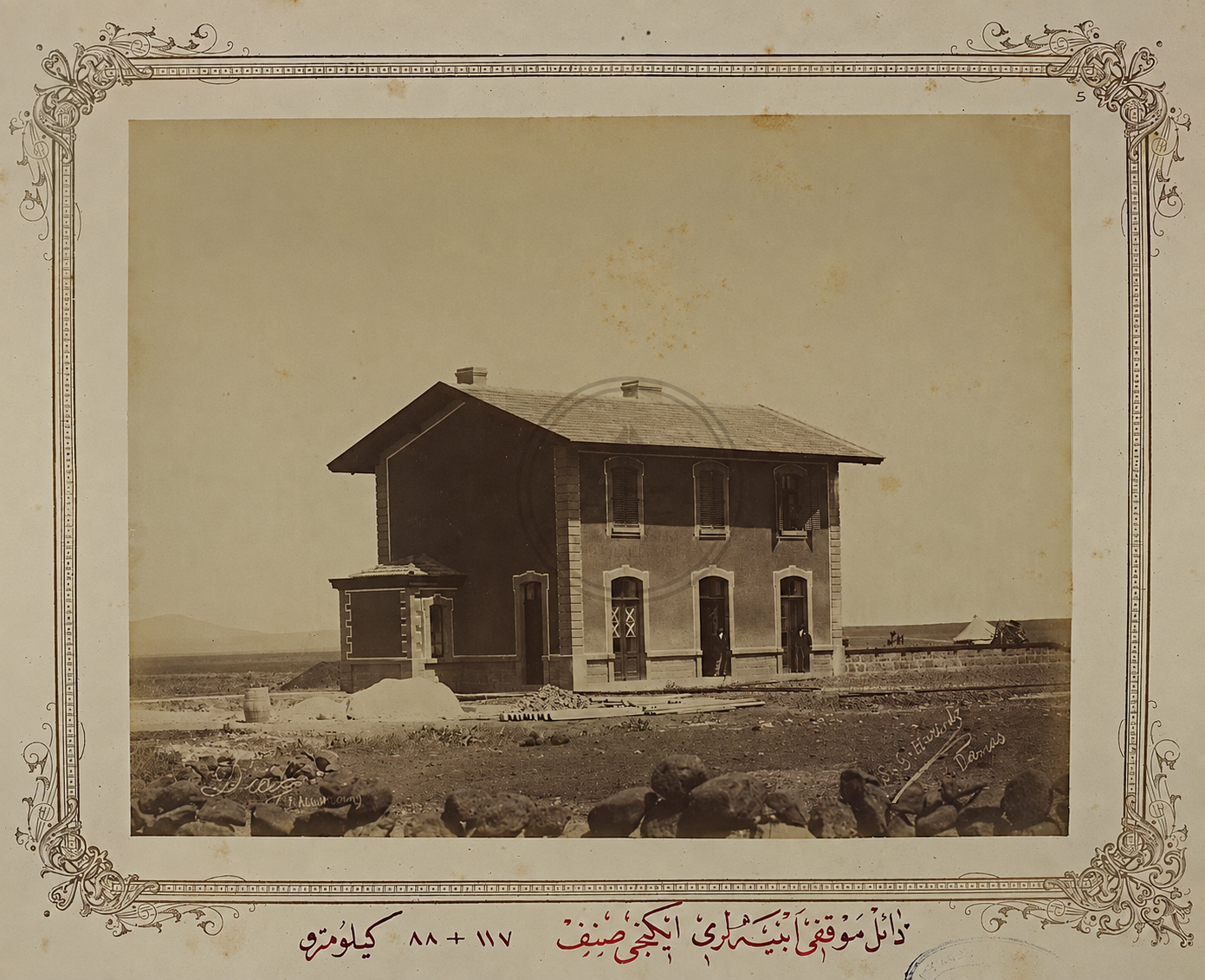
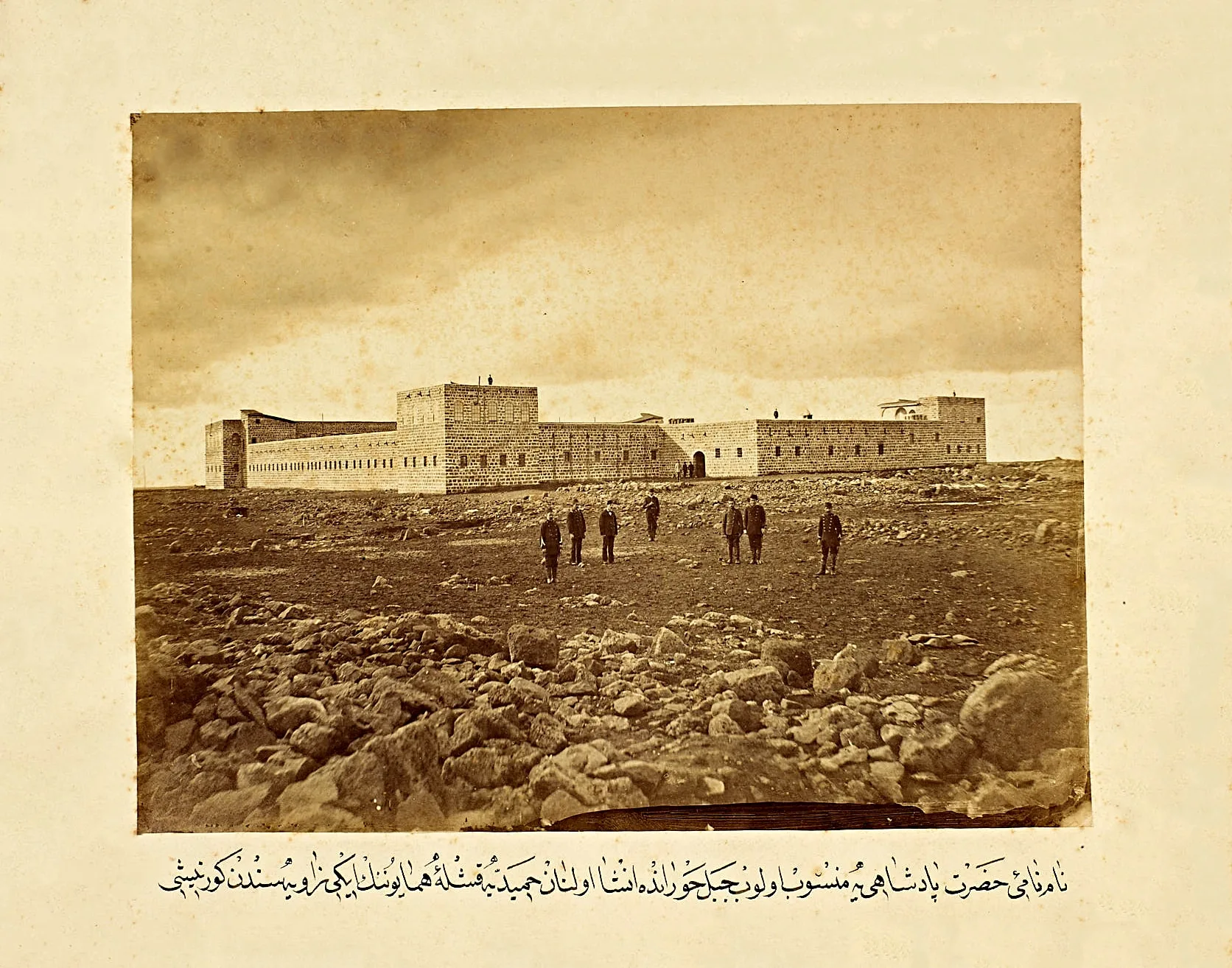
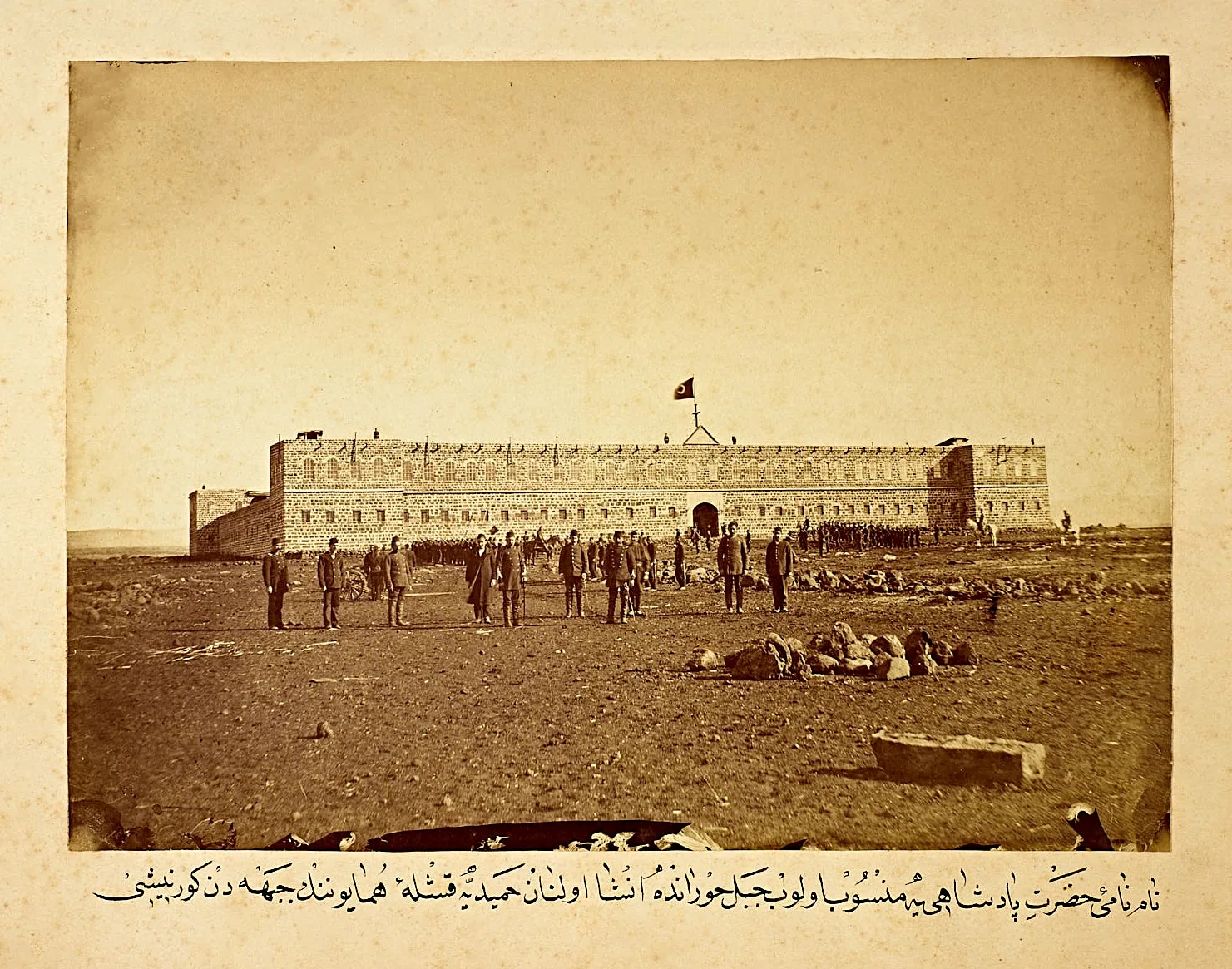
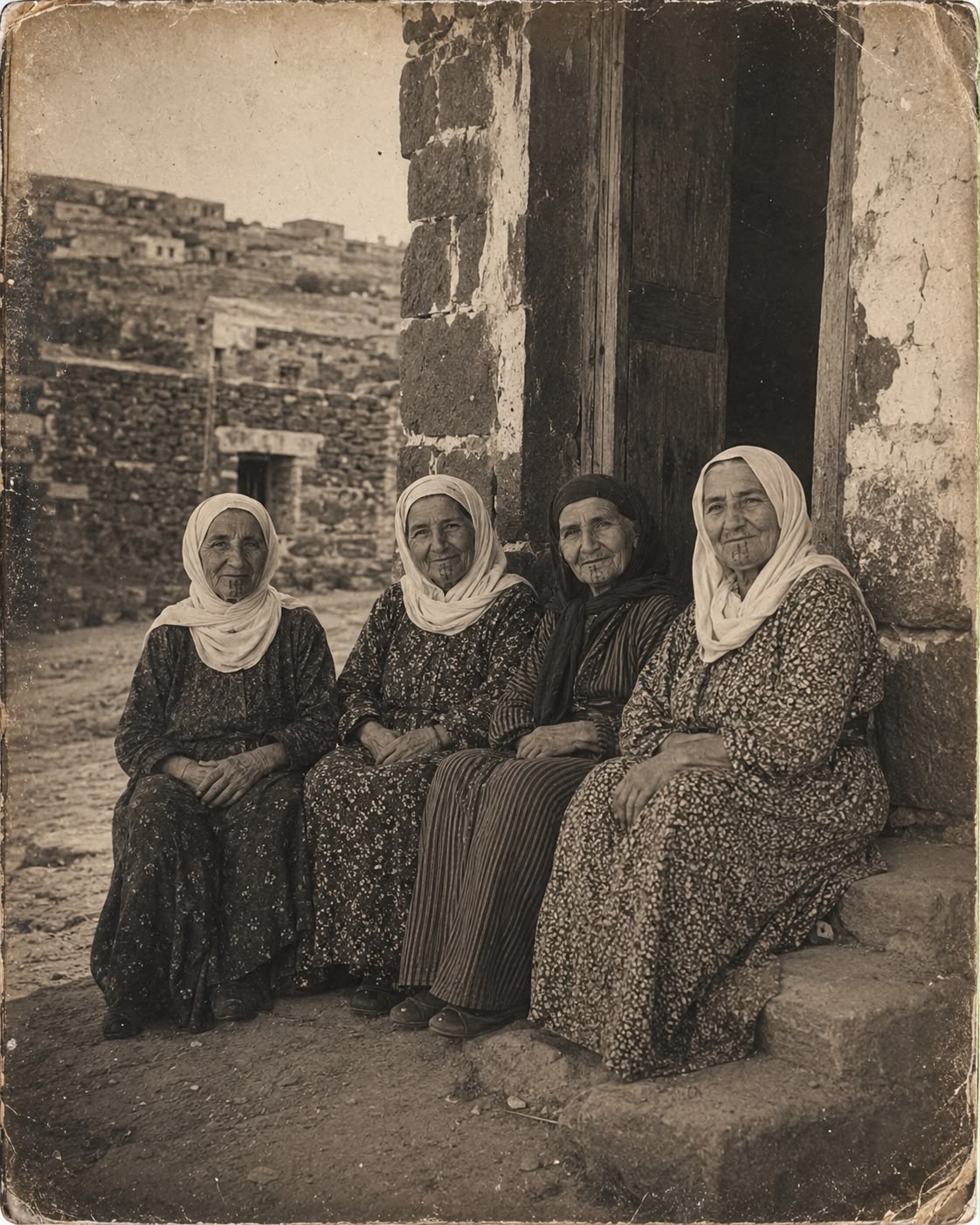
Our roots run deep in the Hauran countryside of southern Syria, where ancient basalt stones meet the art of slow traditional cooking. Every dish is a tribute to the land's generosity and our ancestors' legacy, blending local history with warm hospitality.

تنبع هويتنا من عمق ريف حوران في الجنوب السوري، حيث تلتقي أصالة البيوت البازلتية العريقة بلمسة الطهي التقليدي الهادئ. إن كل ما نقدمه هو احتفاء بكرم الأرض وإرث الأجداد الذي يجمع شموخ الماضي بدفء ضيافتنا.
 

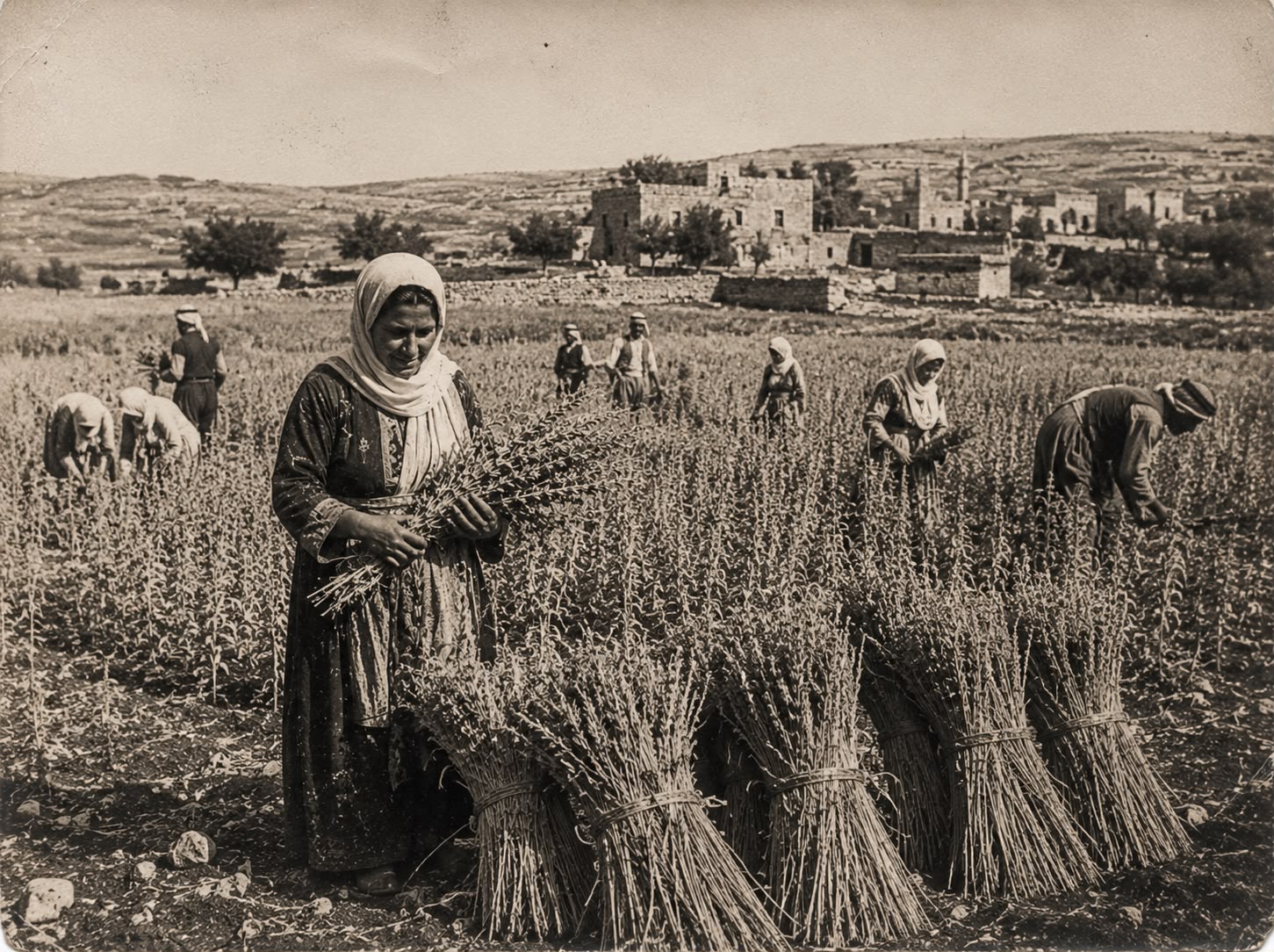
صورة قديمة بالأبيض والبني لحقول حوران مع فلاحين في المقدمة وقرية في الخلفية
صورة بانورامية قديمة لريف حوران
The tale of Hauran: our origins and the secrets of our heritage
صورة بانورامية قديمة لمدينة درعا

Hauran… A Land That Built Its Civilization Around Wheat and Stone

Hauran is more than a region in southern Syria. It is an ancient historical land extending across the southern Levant into northern Jordan. Known for its fertile plains, basalt landscapes, and historic towns, Hauran formed an important link between Damascus, the southern Levant, and northern Arabia. Parts of the region were known in Greco-Roman sources as Auranitis.

A History Spanning Thousands of Years

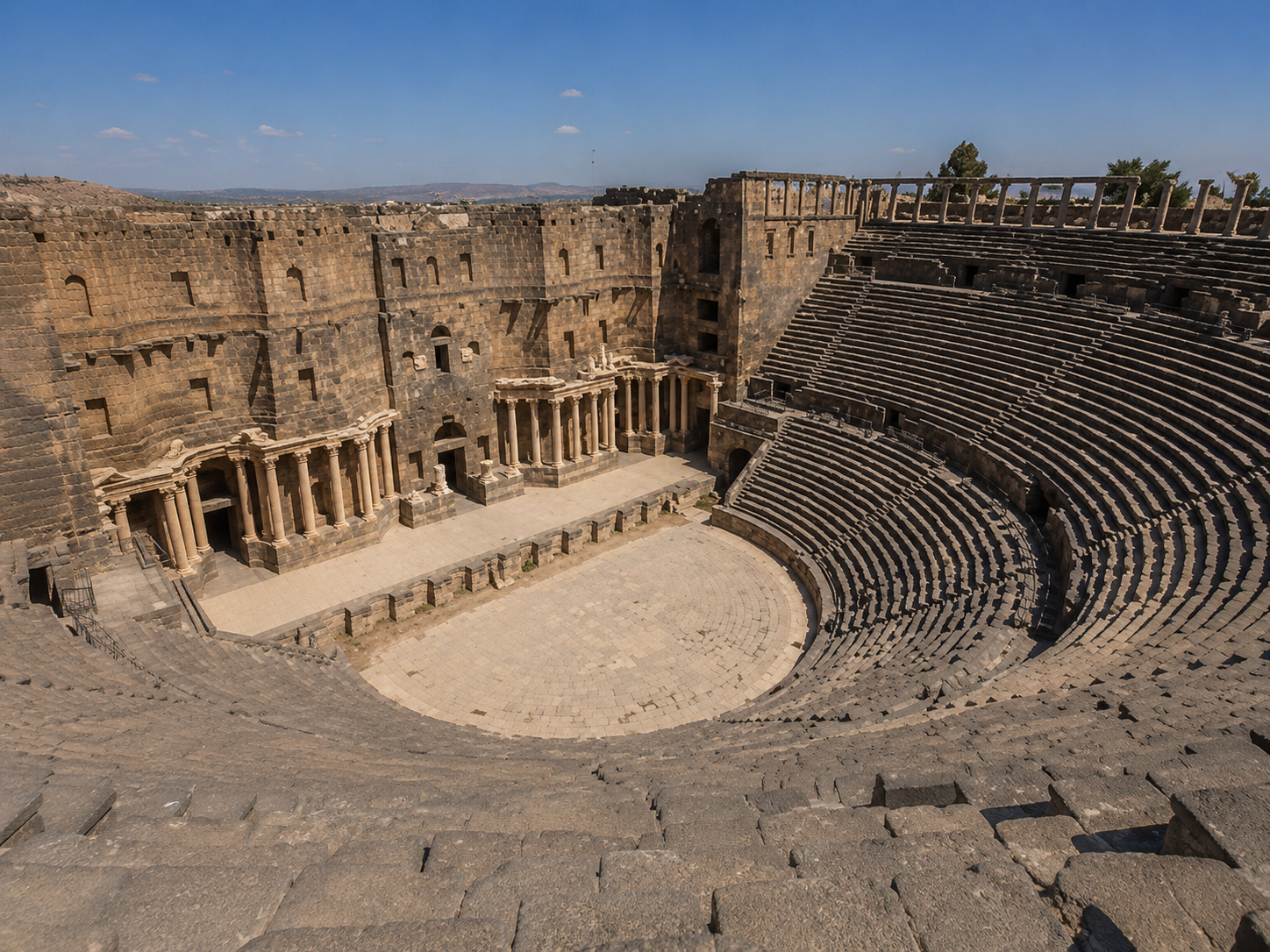
Bosra al-Sham is one of Hauran’s most important historic cities, with references dating back to the 14th century BC. It later became an important Nabataean center, and after the Roman annexation of the region in 106 AD, Bosra became the capital of the Roman Province of Arabia.

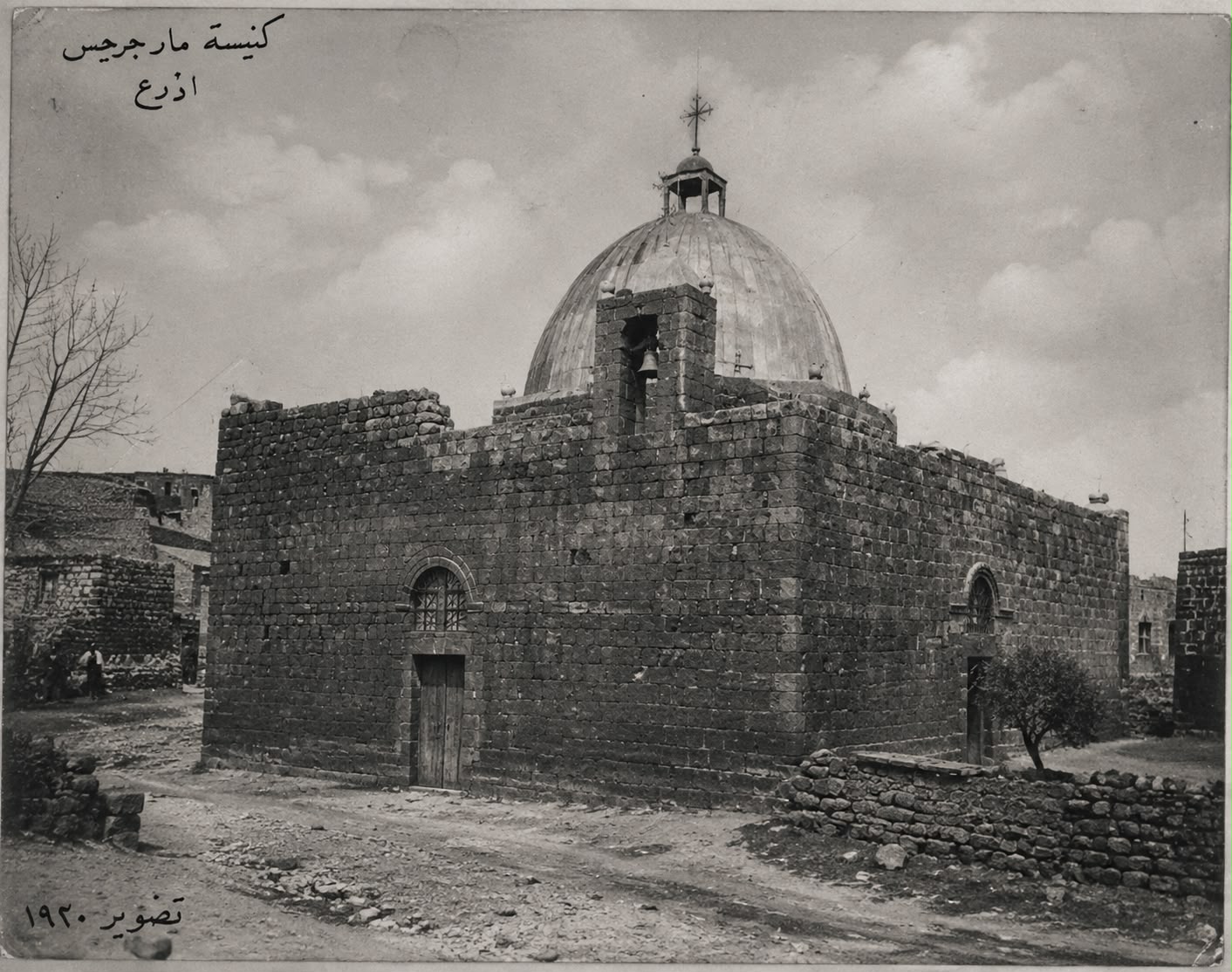
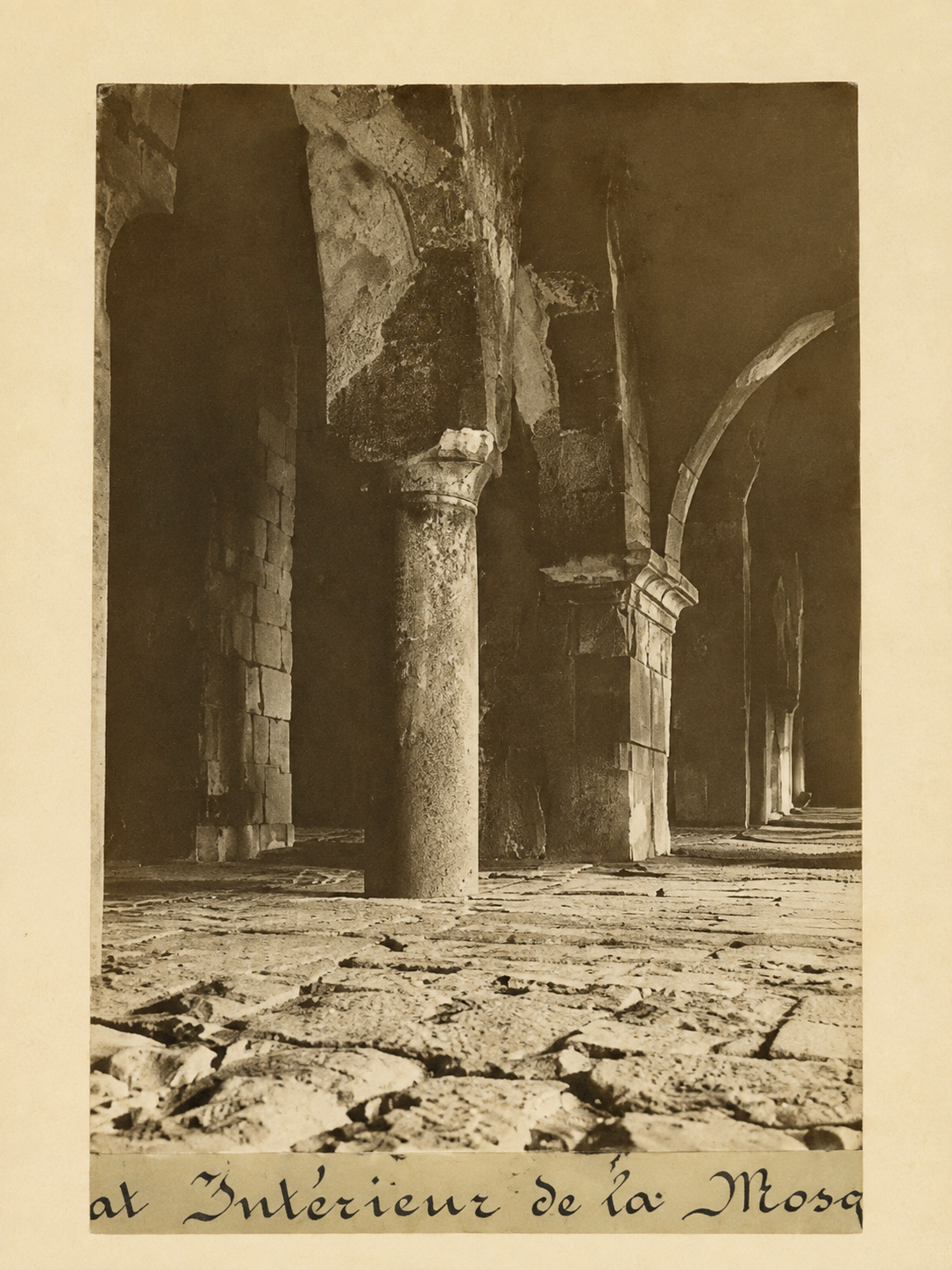
Hauran flourished during the Roman and Byzantine periods. Its villages developed a distinctive architectural tradition using the region’s abundant black basalt stone, which remains one of the defining symbols of Haurani heritage.

Arabs and the Ghassanids

Arab presence in Hauran predates Islam by centuries. Among the groups most closely associated with the region were the Ghassanids, who became an important Arab power in the Levant during the Byzantine era.

Haurani identity, however, was not shaped by a single tribe or people. It developed over centuries through the land, its communities, traditions, and shared way of life.

Hauran… The Land of Wheat

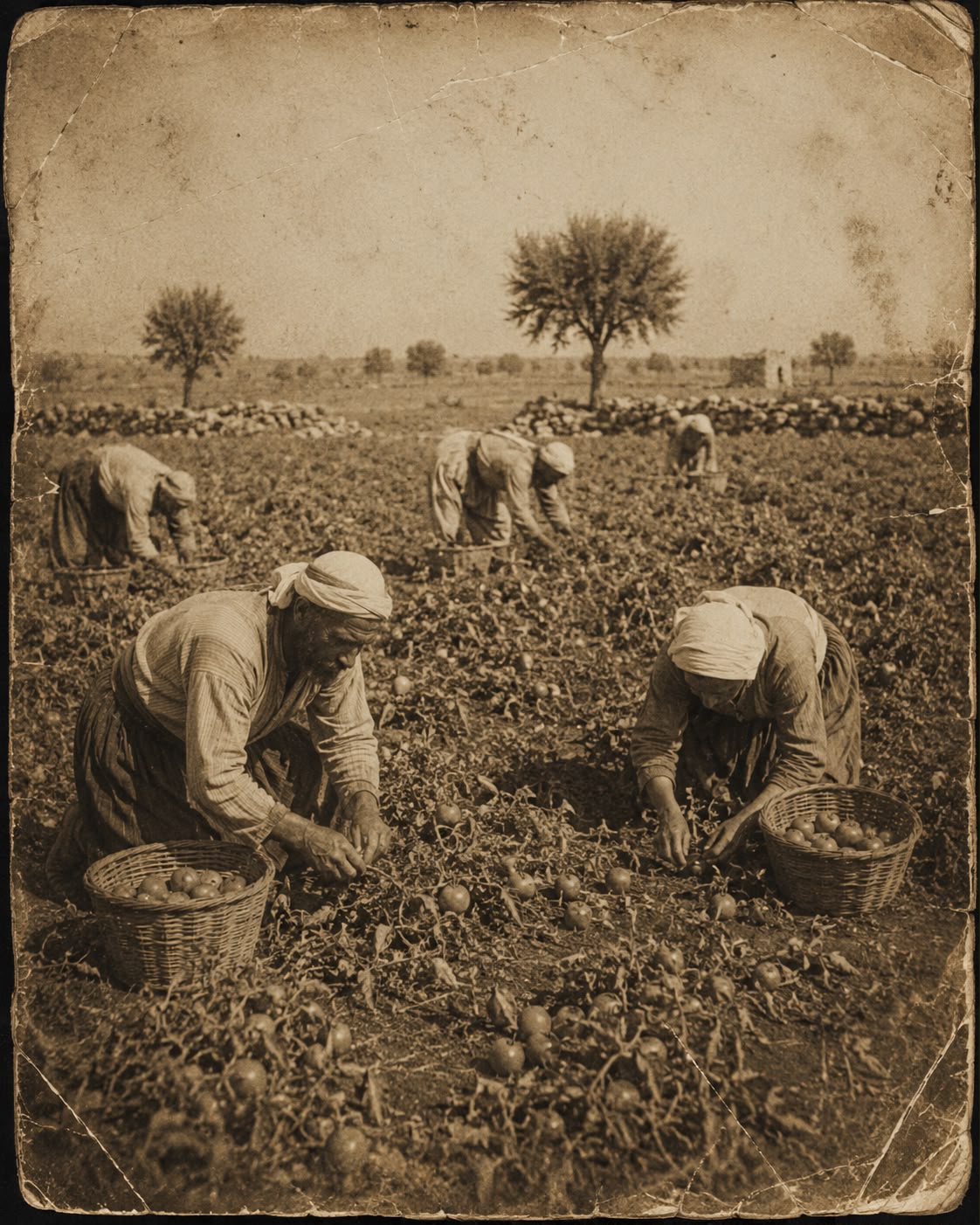
Agriculture has always been at the heart of Hauran, especially wheat and grain cultivation. Its fertile volcanic soil and wide plains made the region an important agricultural center for generations.

Livestock raising was equally important. Together, farming and pastoral life shaped the Haurani table, where wheat, bulgur, yogurt, jameed, ghee, meat, olive oil, and olives became essential ingredients of the region’s traditional cuisine.

From the Land of Hauran to Our Table

From this land emerged Haurani cuisine: simple in its ingredients, rich in flavor, and deeply connected to village life, agriculture, family, and hospitality.

At Al Hourani Kitchen, we preserve this story by presenting the food of Hauran not simply as dishes, but as part of a heritage passed from one home to another and from one generation to the next.

Hauran… the land of wheat and black stone, and the land where our story began.


حوران… أرضٌ صنعت حضارتها حول القمح والحجر

حوران ليست مجرد منطقة في جنوب سوريا، بل إقليم تاريخي عريق امتد عبر جنوب بلاد الشام وصولاً إلى شمال الأردن. عُرفت منذ القدم بسهولها الخصبة وأرضها البازلتية ومدنها العريقة، وكانت عبر التاريخ جسراً يربط دمشق بجنوب بلاد الشام وشمال الجزيرة العربية. وقد عُرفت أجزاء منها في المصادر اليونانية والرومانية باسم Auranitis – أورانيتس

تاريخ يمتد لآلاف السنين

تُعد بصرى الشام من أبرز مدن حوران التاريخية، وقد ذُكرت منذ القرن الرابع عشر قبل الميلاد. ثم أصبحت مركزاً مهماً في المملكة النبطية، وبعد دخول المنطقة ضمن الإمبراطورية الرومانية سنة 106م أصبحت بصرى عاصمة المقاطعة العربية الرومانية

وازدهرت حوران خلال العهدين الروماني والبيزنطي، وانتشرت فيها القرى الزراعية والمباني التي اعتمدت على الحجر البازلتي الأسود، الذي أصبح أحد أبرز رموز العمارة الحورانية حتى اليوم

العرب والغساسنة

كان الوجود العربي في حوران سابقاً للإسلام بقرون، ومن أبرز الجماعات التي ارتبطت بالمنطقة الغساسنة، الذين أصبحوا قوة عربية مهمة في بلاد الشام خلال العهد البيزنطي

لكن هوية حوران لم تنشأ من قبيلة أو شعب واحد، بل تشكّلت عبر قرون من التاريخ والاستقرار والتفاعل بين جماعات متعددة، لتصبح هوية جغرافية واجتماعية وثقافية مميزة لأهل المنطقة

حوران… أرض القمح

ارتبطت حوران بالزراعة منذ القدم، وخاصة القمح والحبوب، بفضل سهولها الواسعة وتربتها البركانية الخصبة. وأصبحت المنطقة عبر فترات طويلة مصدراً مهماً للحبوب، حتى ارتبط القمح بذاكرة أهلها ومواسم الحصاد وحياتهم اليومية

كما شكّلت تربية الأغنام والمواشي جزءاً أساسياً من حياة القرية، فاجتمعت منتجات الأرض مع منتجات الحيوان في المائدة الحورانية، وأصبحت مكونات مثل القمح والبرغل واللبن والجميد والسمن واللحوم والزيت والزيتون أساساً لمطبخ المنطقة

من أرض حوران إلى مائدتنا

من هذه الأرض وُلد المطبخ الحوراني؛ مطبخ بسيط في مكوناته، غني في طعمه، ويحمل ذاكرة القرى والبيوت ومواسم الزراعة والضيافة

وفي المطبخ الحوراني نحاول أن نحافظ على هذه الحكاية، فنقدّم أكلات حوران لا كأطباق فقط، بل كجزء من تراث أرض تناقلت وصفاتها من بيت إلى بيت ومن جيل إلى جيل

حوران… أرض القمح والحجر الأسود، ومن أرضها بدأت حكايتنا

bottom of page